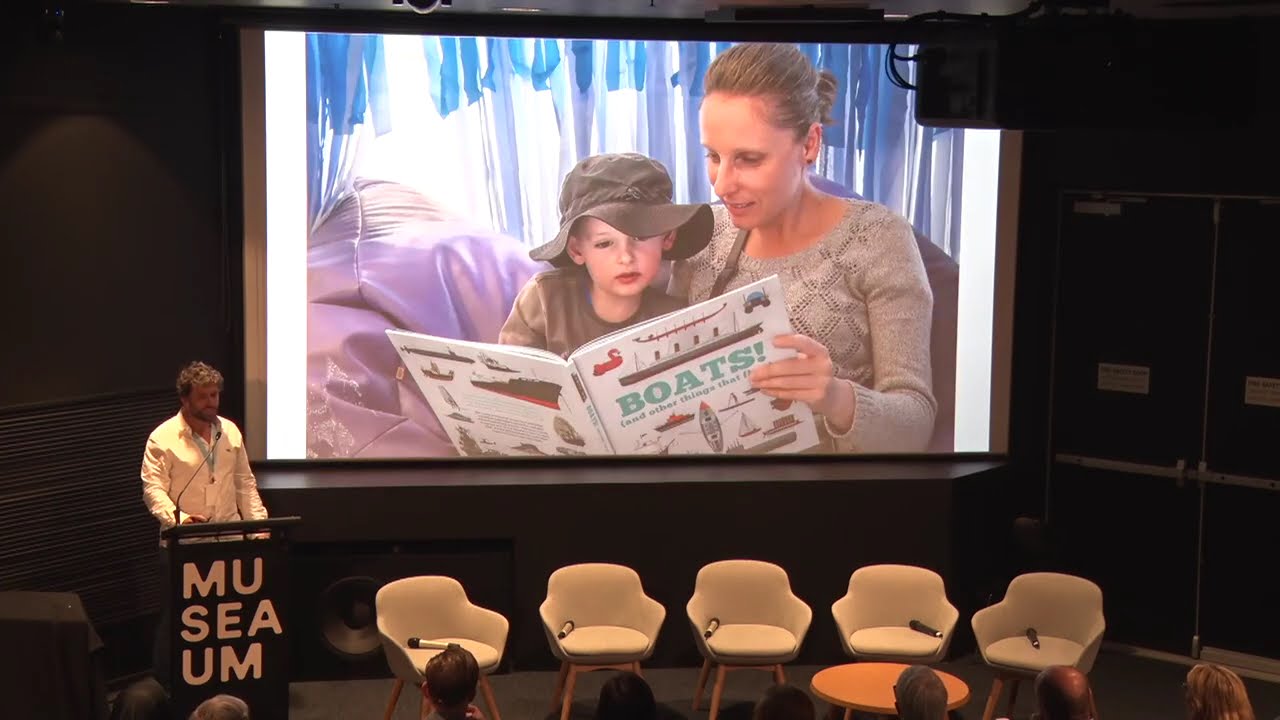
ICMM Congress 2026: Common Problems, Outstanding Solutions - Thurs 17 Sept 2026
Title history
- ICMM Congress 2026: Common Problems, Outstanding Solutions - Thurs 17 Sept 2026 — observed on 20261030-1337 UTC (YouTube)
Keywords
Summary
218 words
Critical Evaluation
Value of the Information & Strength of the Argument
The value of the information lies in the diverse, field-based insights from professionals actively working in maritime heritage. Each presentation offers concrete examples and practical solutions to common problems such as audience engagement, difficult histories, and community involvement. The argumentation is generally persuasive, relying on case studies and personal experience. However, some presentations lack rigorous evidence or statistical support, and the time constraints limit depth. Overall, the session provides a useful overview of current practices and thought leadership in maritime museums.
Scientific Rigor, Source Quality, Title Accuracy
The scientific rigor varies among presentations. Some speakers reference specific projects and, in one case, a historical account, but most rely on anecdotal evidence or institutional reports. No external sources or citations are given in the description or during the talks, reducing verifiability. The title accurately reflects the session’s focus on common problems and outstanding solutions, and the content aligns well. The topic is relevant and timely, though the lack of references may limit its academic weight.
173 words
Title / Content Match
The title accurately describes the session: 'Common Problems, Outstanding Solutions' followed by the date. The content matches the theme of addressing common problems in maritime museums and presenting solutions.
Quality & Reliability
8/10
The video is a recording of a professional congress session with presentations by specialists in maritime heritage and museums. The information is based on professional experience and institutional projects. However, it is not peer-reviewed and represents opinions and case studies rather than rigorously evidenced research.
Key Moments
Markers derived by PSI from the transcript: the creator did not define chapters.
- Chair Gilberto Kerr welcomes attendees and introduces the session on common problems and outstanding solutions.
- Paul Stephanus presents the Australian Wooden Boat Festival, highlighting its community-driven approach and intergenerational engagement.
- Catherine Phipps discusses the history of sex work in maritime contexts and proposes approaches for museums to address this difficult history.
- Nina Bundgaard Trier introduces the Dreamship Model, a framework for playful learning experiences for young children at the Maritime Museum of Denmark.
- Ian Murphy explains the Liverpool Waterfront Transformation project and its impact on the Maritime Museum and International Slavery Museum.
- Connie Ng presents the Hong Kong Maritime Museum's initiatives for fostering ocean literacy and community stewardship.
- Daníel Péter Daníelsson shares the story of the Herring Era Museum in Iceland and its connection to local heritage.
- James Oluka discusses the Ateker Museum in Uganda, focusing on community-driven heritage and youth empowerment.
- Nia Ridwan speaks on sustainable maritime practices and marine affairs from an Indonesian perspective.
Contribution & Novelties
The session contributes original perspectives on maritime museum practices, particularly in community engagement, inclusive storytelling, and children’s education. Each presentation offers a unique case study or model that can inspire other institutions. The emphasis on ocean literacy and sustainability reflects current global concerns. To go further, one can explore key concepts and resources:
Pour aller plus loin :
- Australian Wooden Boat Festival — Overview of the festival’s history and significance.
- Ocean Literacy — UNESCO’s platform promoting understanding of the ocean’s influence on us and our influence on the ocean.
- International Congress of Maritime Museums — Official site of the organization hosting this congress, with resources on maritime heritage.
108 words
Radar Profile
The radar profile shows a balanced presentation with moderate to high scores across information quantity and quality, but a lower technical level, indicating content accessible to heritage professionals without deep specialization. The fiabilite_globale is reasonably high, reflecting expert knowledge, but the lack of formal citations slightly draws it down.