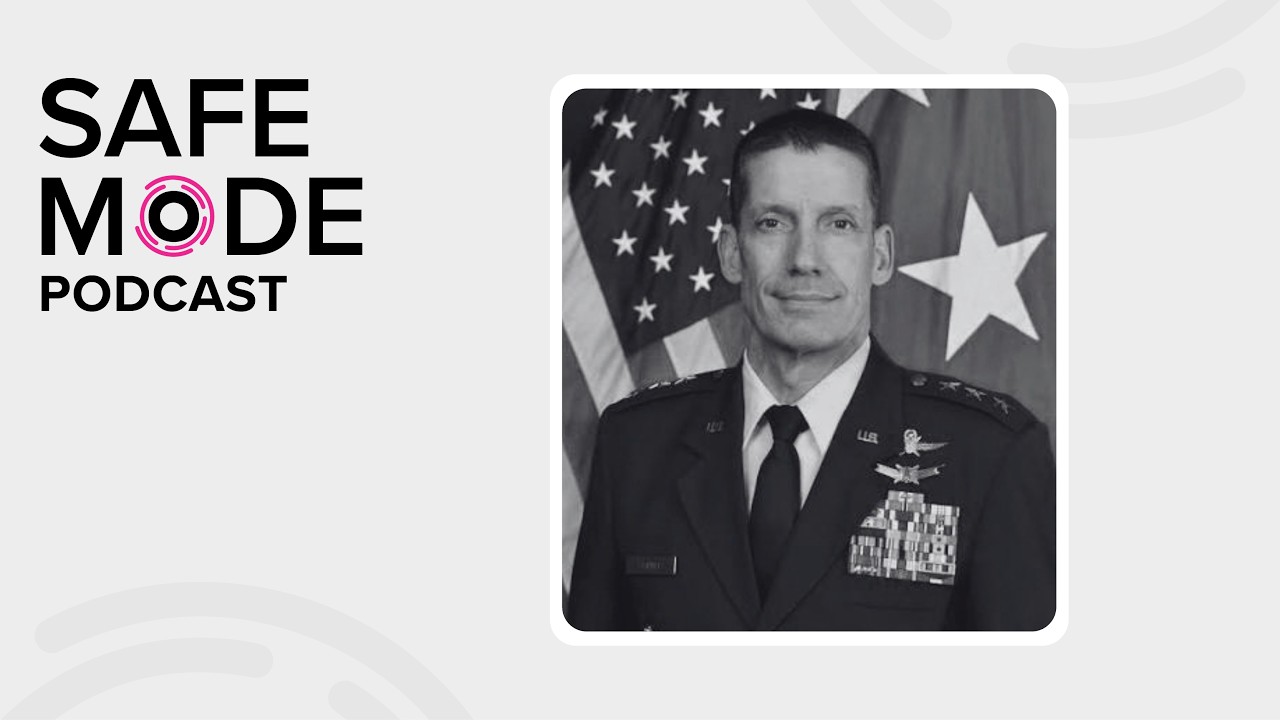
Which nation-sate should worry us most
Title history
- Which nation-sate should worry us most — observed on 20261026-1837 UTC (YouTube)
Keywords
Summary
152 words
Critical Evaluation
Value of the Information & Strength of the Argument
The information provided is based on the expert experience of a retired general with extensive leadership in military cyber operations. The arguments are structured and logically presented, but they remain opinion-based rather than evidence-based. The discussion offers practical insights into threat priorities and defense strategies, but lacks detailed data or empirical support. The speaker’s reasoning is coherent, particularly in explaining the strategic shift toward pre-positioning and the advantages of AI for defense if properly managed. However, some claims, such as China’s superiority in quantum computing, are not substantiated with specific sources.
Scientific Rigor, Source Quality, Title Accuracy
The video relies solely on the guest’s expertise and does not cite external studies or documents. The title is accurate as the interview directly answers which nation-state should worry the US most. The sources cited in the description are social media links and the show’s page, which are not directly referenced in the discussion. The content is not rigorously sourced but is framed as an expert perspective. The title and content match well, though the singular ’nation-sate’ is a typographical error.
187 words
Title / Content Match
Title asks which nation-state should worry us most; the interview directly addresses ranking China as top threat, and discusses others. Adequate.
Quality & Reliability
7/10
Expert interview with a retired U.S. Air Force Lt. Gen. and former DISA director, providing informed strategic analysis of cyber threats. No original research or external citations, but the speaker's authority and insider knowledge lend credibility. Some claims are subjective and not backed by data.
Key Moments
Markers derived by PSI from the transcript: the creator did not define chapters.
- Discussion of CUI regulation with Tim Starks, including 72-hour breach notification and industry pushback.
- Interview begins: General Skinner discusses the shift in adversary tactics toward pre-positioning in critical infrastructure.
- Ranking of adversaries: China is the top strategic threat due to capabilities and AI integration.
- Discussion on botnet takedowns and imposing costs on adversaries; Salt Typhoon and telecom security.
- AI's role: offense has advantage, but defense can leverage visibility and context; Russia and Iran priorities.
- Emphasis on basics, continuous validation, and Zero Trust as a journey; boards asking about cyber risk.
Cited Sources
- Safe Mode Show Page — Referenced as the official page for the podcast series, likely containing additional episodes and show notes.
External References
Contribution & Novelties
The video provides an expert’s insider view on current U.S. cyber threat ranking and strategic priorities, emphasizing the shift to pre-positioning in critical infrastructure. It offers practical advice for defenders, focusing on fundamentals and continuous improvement rather than novel techniques. The discussion on AI’s impact on offense/defense balance is useful, though not deeply technical.
Pour aller plus loin :
- Zero trust security model — Core concept discussed in the episode; provides a framework for continuous validation.
- Salt Typhoon — The compromised telecom operation referenced, illustrating pre-positioning.
- Controlled Unclassified Information — The regulatory topic covered in the news segment, relevant to contractors.
101 words
Radar Profile
The radar profile shows a balanced but moderate rating across all dimensions, with quality and technical level slightly higher than quantity and reliability, reflecting an informed but subjective expert discussion.