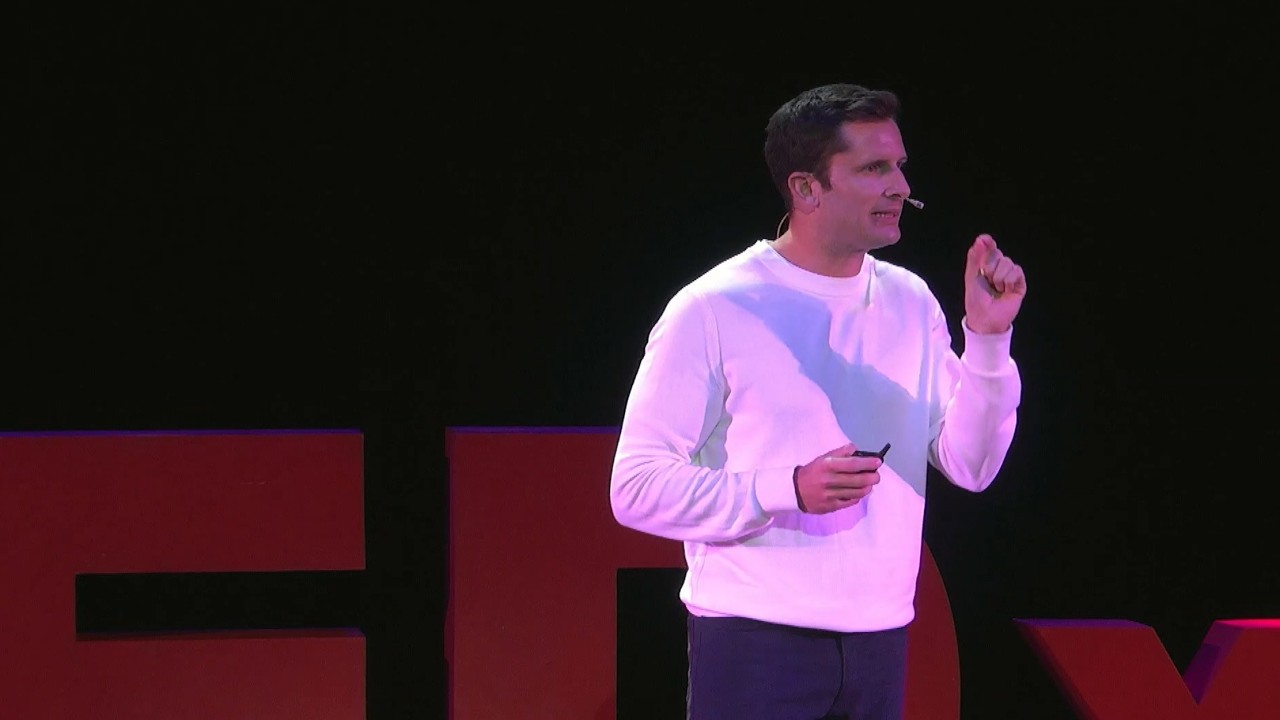
Diseñar tu vida a través del gusto: Del enfoque a la pasión | Luis Fernández | TEDxTecDeMty
Design your life through taste: From focus to passion | Luis Fernández | TEDxTecDeMty
Title history
- Diseñar tu vida a través del gusto: Del enfoque a la pasión | Luis Fernández | TEDxTecDeMty — observed on 20261104-2221 UTC (YouTube)
Keywords
Summary
161 words
Critical Evaluation
Value of the Information & Strength of the Argument
The value of the talk lies in its relatable, anecdotal approach and a practical framework for self-reflection. The speaker effectively connects personal stories with broad principles, making the content accessible and actionable. The argument is built on emotional appeal and inspiring examples rather than empirical data, which weakens its scientific robustness. However, the method proposed is simple and logically structured, offering a clear path for listeners to apply the ideas. The use of figures like Ralph Lauren and Frida Kahlo is compelling but relies on popular narratives rather than verified biographical details.
Scientific Rigor, Source Quality, Title Accuracy
The talk makes reference to David Hume’s 1757 work on taste, but the citation is superficial and not critically examined. No specific sources or studies are provided to support the claims about taste and personal fulfillment. The description includes only the official TEDx link, which serves as a general reference for the event format. The title is well-aligned with the content, effectively summarizing the core message of using taste to build a passionate life. Although the talk is inspirational, it lacks the rigor expected of scientific discourse, and major claims are based on personal testimony rather than evidence.
205 words
Title / Content Match
The title accurately reflects the content: the speaker explains how following intrinsic taste can lead to a passionate life, with a clear 'from focus to passion' narrative.
Quality & Reliability
6/10
The talk is grounded in personal anecdotes and inspirational examples rather than systematic evidence. It references philosophical and psychological ideas (e.g., David Hume) but does not offer rigorous scientific grounding. The structure is coherent, but the reliability is limited by its subjective nature.
Key Moments
Markers derived by PSI from the transcript: the creator did not define chapters.
- Introduction: hypothetical question about moving 8,000 km away
- Personal story: accepting a job in Brazil, inspired by Bear Grylls
- Redefining 'taste' as attraction, not just food preferences
- Childhood example: son Max choosing an elephant toy
- Reference to David Hume (1757) on taste as a feeling
- Example of Ralph Lauren: following vision without drawing skills
- Example of Frida Kahlo: turning childhood passion into art after accident
- Introduction of the 5-step method: North, Note, Space, Essence, Try
- Story of the fuchsia planter: taste changes and we must make space
- Conclusion: ask 'what amazes me?' and let life feed your taste, Spotify algorithm metaphor
Cited Sources
- TEDx Talks — Official TEDx page referenced at the end of the talk to explain the event format.
Contribution & Novelties
The talk offers a personal and accessible framework for self-improvement, building on the intuitive idea that following one’s taste leads to motivation and fulfillment. Its main contribution is the ‘Taste Master’ method, which synthesizes existing self-help and philosophical notions into a simple five-step process. The originality is modest, as many of the concepts echo known motivational literature (e.g., ‘ikigai’, ‘follow your passion’), but the speaker’s personal stories add authenticity.
Pour aller plus loin :
- David Hume’s aesthetics — Relevant for the philosophical grounding of ’taste’ as a subjective judgment.
- Personal development — Provides a broader context for the talk’s core theme.
- Ikigai — A related concept from Japanese culture that links passion and purpose, which aligns with the speaker’s message.
- Ralph Lauren — Biographical background of one of the examples used.
131 words
Radar Profile
The radar profile shows low technicality but moderate information quality and reliability, reflecting a motivational talk that is engaging yet not deeply scientific. The balance between quantity and quality is average, with a supportive but not rigorous argumentation.