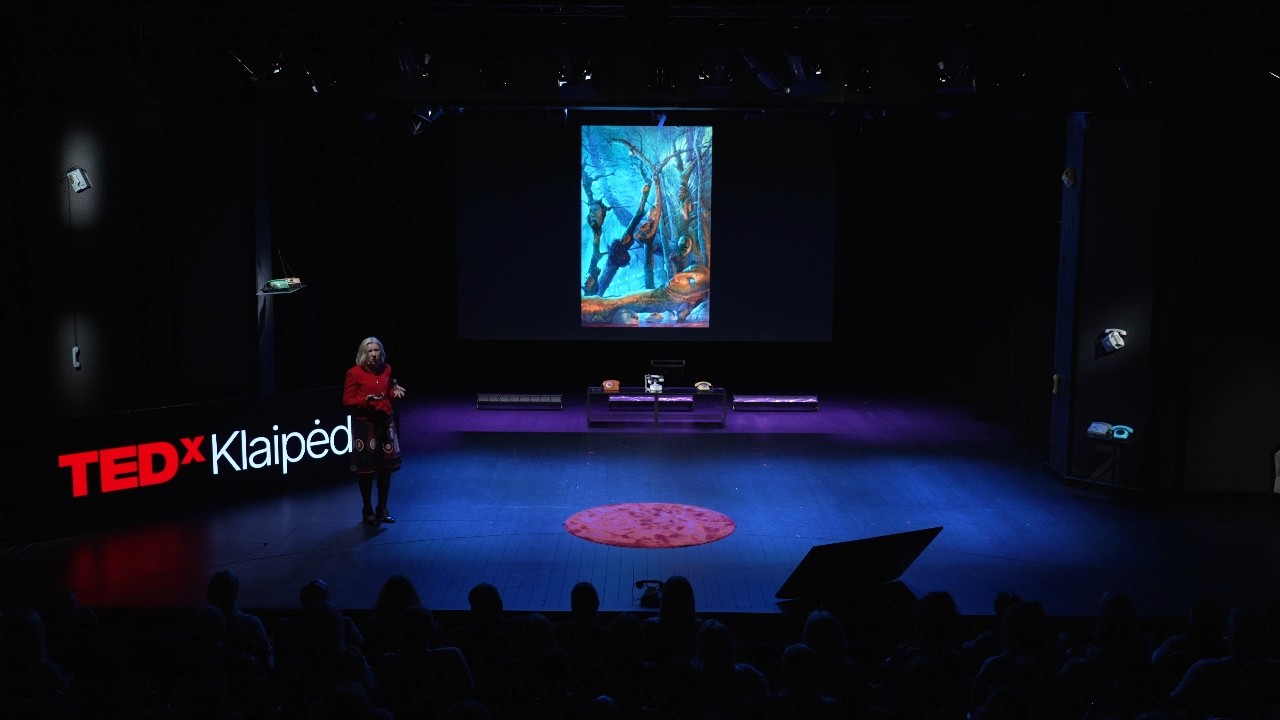
Žmogaus ir meno ryšys: vaizduotė atverianti pasaulius | Vilma Jankienė | TEDxKlaipėda
The connection between man and art: imagination opening worlds | Vilma Jankienė | TEDxKlaipėda
Title history
- Žmogaus ir meno ryšys: vaizduotė atverianti pasaulius | Vilma Jankienė | TEDxKlaipėda — observed on 20261106-1629 UTC (YouTube)
Keywords
Summary
174 words
Critical Evaluation
Value of the Information & Strength of the Argument
The talk provides valuable insights into the psychological and aesthetic value of engaging with art, and the argumentation is coherent, though primarily based on personal experience and observation rather than empirical research. The speaker skillfully weaves together art pieces and philosophical reflections, making a compelling case for imagination as a tool for personal growth and emotional well-being. However, the scientific grounding is thin, with claims about neuroplasticity and anxiety being presented without cited studies. The argumentation is persuasive but not critically evidenced.
Scientific Rigor, Source Quality, Title Accuracy
The talk lacks documented scientific sources and relies on the authority of the speaker’s gallery experience. Only the general TEDx link is provided, which is not specific to the content. The title accurately describes the core theme, and the content aligns completely with the promised exploration of imagination in art. The absence of formal citations lowers the scientific rigor, but the presentation is structured and engaging. No public comments were analyzed due to none being provided.
173 words
Title / Content Match
The title accurately reflects the content, which discusses the relationship between humans and art through the lens of imagination.
Quality & Reliability
7/10
The speaker is a professional gallery owner and has a track record in art curation. However, her claims about imagination and neuroplasticity are anecdotal and lack cited scientific evidence. The talk is inspirational but not rigorously scientific.
Key Moments
Markers derived by PSI from the transcript: the creator did not define chapters.
- Introduction and personal background: from aviation world to art galleries.
- Definition of imagination and its importance, quoting Einstein.
- Presentation of Leonerdas Tuleikis' painting 'Pilka diena' – city colors symbolizing human emotions.
- Discussion of Bronius Gražys' work on tree stumps and dialogue with nature.
- Analysis of Ina Budrytė's 'Upė' – symbolism of life's journey and hope.
- Tana Serket's self-portraits: identity and disappearance through analog photography.
- Abstract paintings by Solveigutė, inviting viewers to create their own names.
- Imagination as a gyroscope and inner resource to combat anxiety; recommendation to read poetry.
Cited Sources
- TEDx program official site — The talk was given at a TEDx event, organized independently by a local community as per the standard TEDx format.
Concurring Sources
- Imagination in cognitive psychology - Wikipedia — Supports the psychological benefits of imagination, aligning with the talk's themes.
Dissenting Sources
- Skeptical look at neuroplasticity claims - Science-Based Medicine — Identifies common exaggerations of neuroplasticity claims, which may contrast with the speaker's enthusiastic claims about imagination altering brain connections.
Contribution & Novelties
The talk offers a refreshing perspective on the role of imagination in art appreciation and personal development, emphasizing active engagement with artworks as a means to expand consciousness and emotional resilience. It uniquely bridges the worlds of aviation and art, providing anecdotes that illustrate how imagination can transform professional and personal life. The advice to read poetry daily as a mental gym is practical and inspiring.
Pour aller plus loin :
- Imagination - Wikipedia — Relevant for understanding the concept’s cognitive and philosophical dimensions.
- Neuroplasticity - Wikipedia — Directly relevant to the speaker’s claim that imagination creates new neural connections.
- Poetry therapy - Wikipedia — Supports the recommendation of poetry as a therapeutic and imaginative practice.
- Einstein’s quote (Wikiquote) — Provides context for the opening statement on imagination.
128 words
Radar Profile
The profile shows moderate scores across all dimensions, with a peak in quantity of information and a dip in technical level due to the accessible, non-specialist language. Fiabilité and quality are balanced, indicating a credible but not deeply documented presentation.