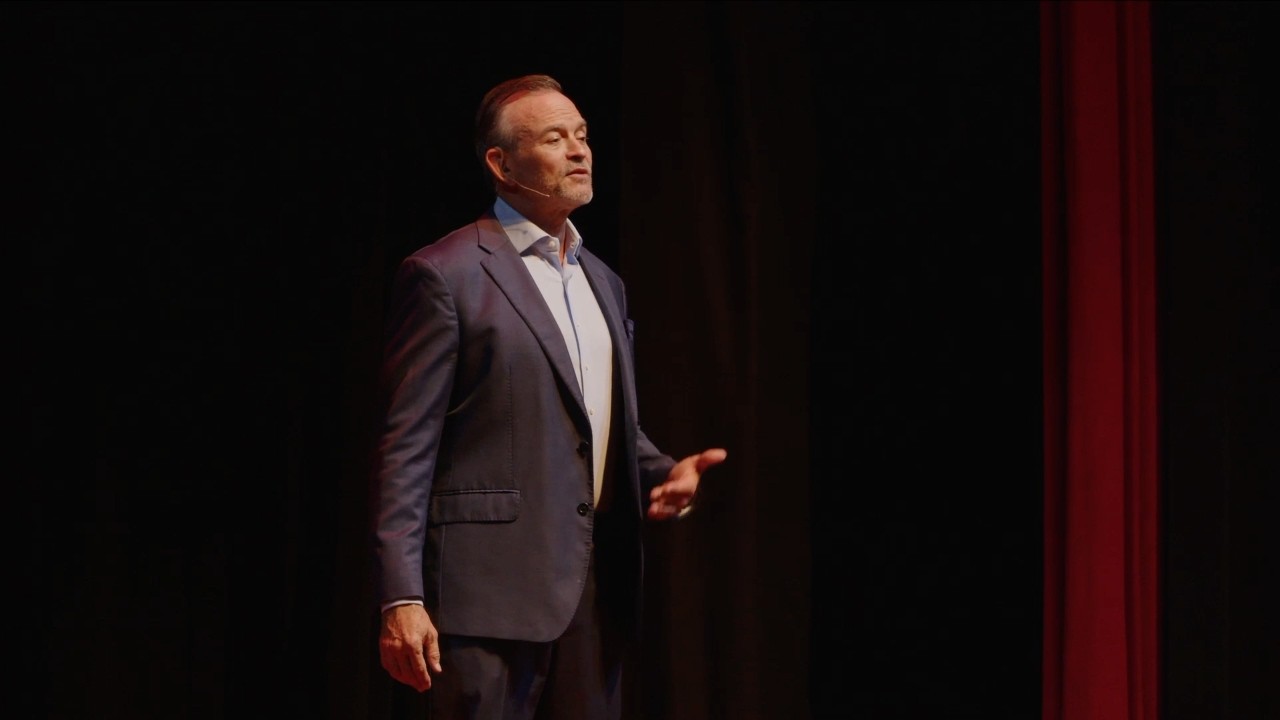
A new model for understanding addiction | Dr. Jason Giles | TEDxColumbiana
Title history
- A new model for understanding addiction | Dr. Jason Giles | TEDxColumbiana — observed on 20261106-0146 UTC (YouTube)
Keywords
Summary
171 words
Critical Evaluation
Value of the Information & Strength of the Argument
The value of the information lies in its reframing of addiction as a learned habit, which destigmatizes and aligns with modern neurobiological views of habit formation. The argument is built largely on personal testimony and clinical observation, making it compelling but not scientifically rigorous. The speaker’s expertise lends credibility, but the lack of empirical data or cited studies weakens the analytical depth. The narrative is coherent and persuasive, with a clear logical flow from problem to solution, and the metaphor of compass and map is memorable and effective.
Scientific Rigor, Source Quality, Title Accuracy
The talk is a personal story and conceptual argument rather than a scientific review. While the speaker is qualified, no external sources are cited beyond the TEDx program itself. The absence of references to research on addiction, neuroplasticity, or habit formation is a notable gap. The title accurately reflects the content, and the talk is delivered in a clear, engaging manner without overclaiming empirical evidence. The overall rigor is moderate; it is an expert opinion presented with rhetorical skill but limited scholarly support.
186 words
Title / Content Match
The title accurately reflects the content: the speaker proposes a new conceptual model for understanding addiction as a learned habit rather than a disease or moral failing.
Quality & Reliability
6/10
The speaker is a triple-board-certified physician with 20 years of clinical experience in addiction medicine, but the talk is a personal narrative and conceptual model rather than a systematic review or presentation of empirical data. The argument is plausible and aligns with established concepts such as habit formation and neuroplasticity, yet it lacks explicit citations or scientific evidence.
Key Moments
Markers derived by PSI from the transcript: the creator did not define chapters.
- Ask about habits: 88% of daily actions are done without thinking.
- Define addiction as a bad habit that is hard to stop; introduction of disease vs choice debate.
- Presents the compass and map analogy for understanding addiction.
- Personal story of fentanyl addiction during residency and the chairman's intervention.
- Describes treatment center's message 'disease and permanent' and his doubt.
- Realization that patients were seeking relief, not self-destruction; pattern recognition.
- Offers practical baby steps and emphasizes repetition to build a new map.
Cited Sources
- TEDx Program — Mentioned in the description as the organizer of the event; provides background on the TEDx format.
Contribution & Novelties
The video’s original contribution is the ‘good compass, bad map’ metaphor, which reframes addiction as a navigational error rather than a moral failing or incurable disease. It emphasizes personal agency and habit change through repetition, aligning with existing behavioral models but presenting them in an accessible, relatable way. The speaker’s dual perspective as both a physician and someone with lived experience adds depth.
Pour aller plus loin :
- Habit formation — A reliable overview of how habits are acquired and changed, relevant to the video’s core thesis.
- Neuroplasticity — Explains the brain’s ability to reorganize pathways, supporting the idea that new habits can replace old ones.
- Addiction recovery — Discusses various approaches to recovery, contextualizing the speaker’s suggestions.
118 words
Radar Profile
The profile shows moderate scores across information quantity and reliability, with a lower technical level. This indicates a talk that is accessible and persuasive but not deeply technical or heavily evidence-based. The strongest point is the quality of the narrative and the credibility of the speaker.