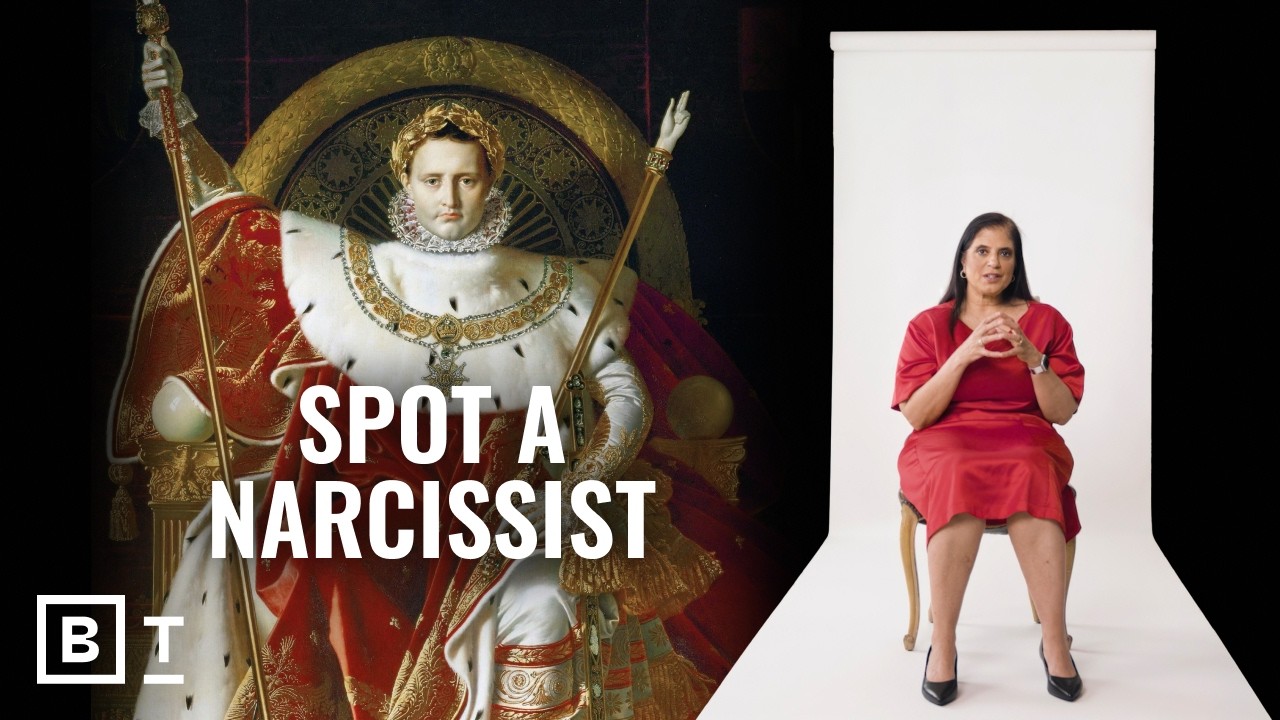
1 in 6 people are narcissists. Learn to spot them early | Ramani Durvasula: Full Interview
Title history
- 1 in 6 people are narcissists. Learn to spot them early | Ramani Durvasula: Full Interview — observed on 20261030-1709 UTC (YouTube)
Keywords
Summary
157 words
Critical Evaluation
Value of the Information & Strength of the Argument
The interview offers substantial practical and scientific value, blending clinical expertise with accessible explanations. Durvasula’s argumentation is well-structured, using examples and research (e.g., the narcissism spectrum model, Orth’s 2024 stability study) to support her points. She challenges common misconceptions, such as equating selfishness with narcissism, and introduces the concept of agency as central to healing. Her reasoning is coherent, though some statements rely on clinical anecdote rather than extensive empirical evidence, which slightly limits the solidity of certain claims. Overall, the information is valuable for both laypeople and professionals seeking a deeper understanding of narcissistic relationships.
Scientific Rigor, Source Quality, Title Accuracy
The scientific rigor is moderate to high: Durvasula cites specific studies and clinical frameworks, but does not provide full citations, which is typical for an interview. Her credentials lend credibility, and the content aligns with mainstream psychological knowledge. The title’s claim about “1 in 6” is not substantiated within the video, representing a potential clickbait element; however, the body of the interview is substantive and does not overstate prevalence. The title-content fit is acceptable, but not perfect. No external sources are explicitly named beyond her books, yet the information is consistent with established clinical practice.
206 words
Title / Content Match
The title emphasizes a prevalence statistic (1 in 6) not explicitly stated in the interview, but the overall focus on identifying narcissistic traits aligns with the content. There is a minor discrepancy between the sensational title and the nuanced discussion.
Quality & Reliability
8/10
Ramani Durvasula is a licensed clinical psychologist with extensive research and clinical experience in narcissism. The interview is comprehensive, referencing research studies and clinical cases, though some claims are presented without specific citations. The content is consistent with mainstream clinical psychology but includes some personal opinions.
Chapters
- Chapter 1: How to identify narcissism
- Why narcissism is having its moment
- The C-suite traits that help narcissists hide
- The 5 types of narcissism
- Why codependency is the wrong lens
- Chapter 2: Signs you are in a narcissistic relationship
- How love bombing works
- What gaslighting really is
- The self-blame trap
- How these relationships affect your body
- Chapter 3: How to grieve and recover after a narcissistic relationship
- Radical acceptance & naming the grief
- Healing without closure
- The truth about no contact
- Why healing happens in relationship
Cited Sources
- Read the video transcript — Official transcript of this interview
- Big Think Interviews on Spotify — Podcast version of this interview
External References
Contribution & Novelties
This interview provides a comprehensive, nuanced perspective on narcissism, emphasizing that it exists on a spectrum and that healing can occur even without leaving the relationship. It also integrates clinical insights with practical advice, offering a balanced view that counters pop-culture oversimplifications.
Pour aller plus loin :
- Narcissistic personality disorder — Clinical definition and diagnostic criteria, providing a foundation for understanding the disorder.
- Narcissism — Broader overview of the concept, including historical and cultural aspects.
- Daniel J. Siegel — Interpersonal neurobiology, relevant to Durvasula’s mention of brain development and personality formation.
91 words
Radar Profile
The profile shows high scores across all dimensions, indicating a well-rounded and reliable resource. The quantitative and qualitative information are strong, while the technical level is slightly lower to accommodate a general audience. Overall, the interview excels in depth and practicality.
💬 Positive and appreciative overall, with many viewers sharing personal experiences and thanking Dr. Durvasula. A minority debates the prevalence claim and diagnostic approach, but the tone remains constructive. On the 30 comments analyzed, the sentiment is largely favorable.